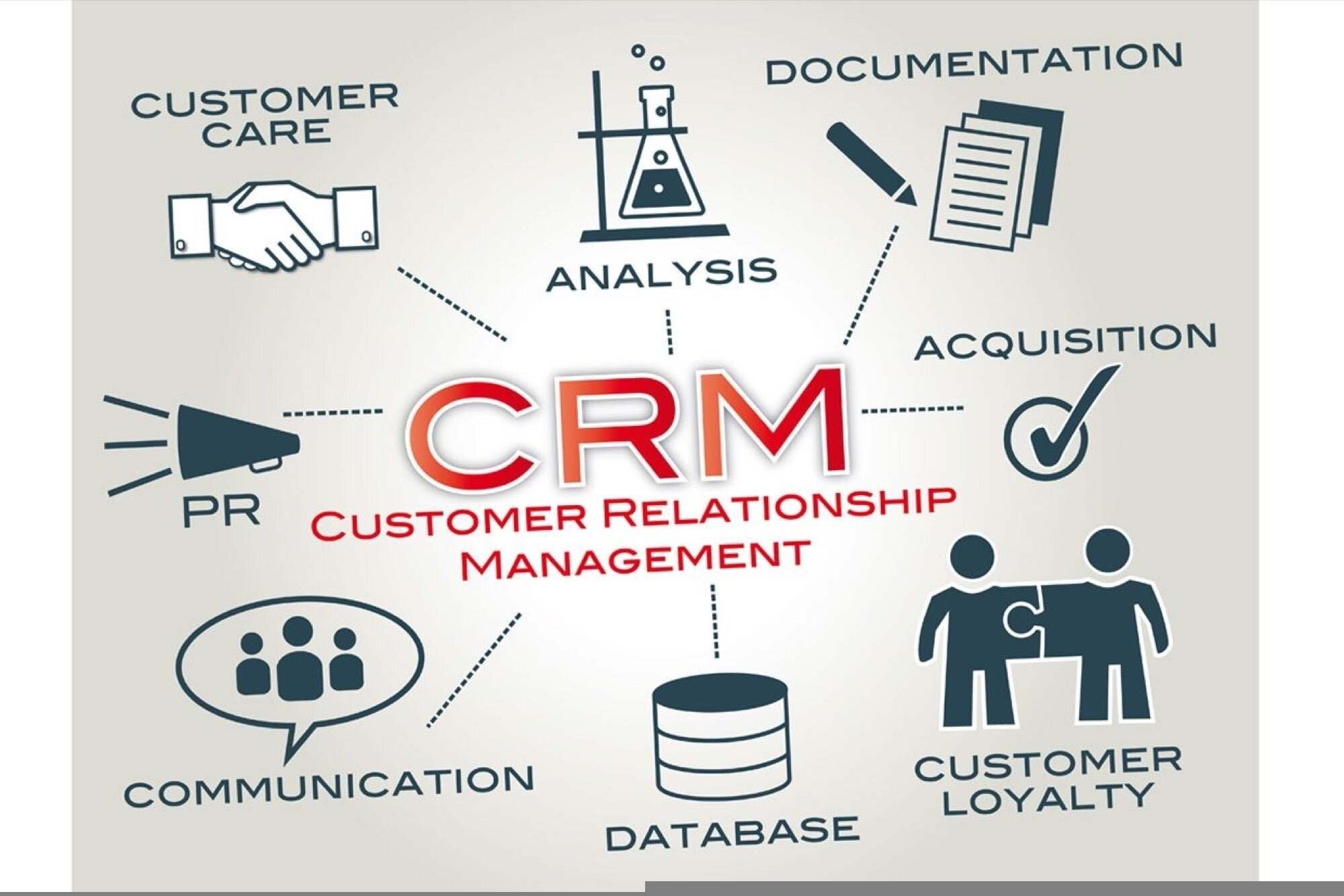
Welcome to our comprehensive guide to ERP5, a powerful Enterprise Resource Planning (ERP) system that integrates Customer Relationship Management (CRM) capabilities. In this article, we will explore the features, benefits, and use cases of ERP5 to help you understand how it can streamline your business processes and improve efficiency. Whether you are new to ERP systems or looking to upgrade your current CRM and ERP software, ERP5 offers a robust solution that can meet your needs. Let’s dive in and discover the full potential of ERP5!
Integration of CRM and ERP Systems
Integration of CRM and ERP systems is crucial for businesses looking to streamline their operations and improve efficiency. These two systems, although serving different purposes, can work together seamlessly to provide a comprehensive view of the organization’s data and processes.
CRM systems, which focus on managing customer relationships and interactions, can benefit greatly from integration with ERP systems. By integrating customer data from CRM with financial data from ERP, businesses can gain a holistic view of their customers’ journey, from sales and marketing activities to order processing and invoicing.
One of the key benefits of integrating CRM and ERP systems is the improved accuracy and consistency of data. When customer data is stored in both CRM and ERP systems separately, there is a risk of data duplication, inconsistencies, and errors. By integrating the two systems, businesses can ensure that data is entered and updated in one place, reducing the chances of errors and ensuring that all departments have access to the most up-to-date information.
Another benefit of integration is the increased efficiency of business processes. When CRM and ERP systems are integrated, data can flow seamlessly between the two systems, eliminating the need for manual data entry and reducing the risk of errors. This allows employees to spend less time on administrative tasks and more time on strategic activities that can drive business growth.
Integration of CRM and ERP systems also enables businesses to gain insights that would not be possible with standalone systems. By combining customer data with financial data, businesses can analyze trends, identify opportunities for cross-selling and upselling, and make data-driven decisions that can help drive revenue growth.
There are several ways in which CRM and ERP systems can be integrated. One common method is through the use of middleware, which acts as a bridge between the two systems, allowing them to communicate and share data. Alternatively, some CRM and ERP vendors offer out-of-the-box integrations that streamline the process of connecting the two systems.
In conclusion, integration of CRM and ERP systems is essential for businesses looking to improve efficiency, streamline processes, and gain a comprehensive view of their data. By integrating customer data from CRM with financial data from ERP, businesses can ensure data accuracy, improve business processes, and gain valuable insights that can drive growth.
Benefits of Using CRM and ERP Systems Together
When it comes to business operations, using CRM (Customer Relationship Management) and ERP (Enterprise Resource Planning) systems together can provide a wide range of benefits. These two systems complement each other in many ways, helping businesses to streamline their processes, improve efficiency, and enhance customer satisfaction. Let’s dive deeper into the benefits of using CRM and ERP systems together.
One of the key advantages of integrating CRM and ERP systems is improved data accuracy and consistency. CRM systems are focused on managing customer interactions and relationships, while ERP systems are designed to streamline business processes and manage resources. By combining these two systems, businesses can ensure that customer data is consistent and up-to-date across all departments. This leads to better decision-making, as employees have access to accurate and timely information.
Moreover, the integration of CRM and ERP systems allows for enhanced visibility and collaboration within an organization. With both systems working together, employees from different departments can access relevant information and work together seamlessly. For example, sales teams can have access to real-time inventory data from the ERP system, enabling them to provide accurate delivery estimates to customers. This level of transparency and collaboration leads to improved efficiency and customer satisfaction.
Another benefit of using CRM and ERP systems together is the ability to create a 360-degree view of customers. CRM systems store valuable customer data such as contact information, purchase history, and interactions. By integrating this data with the ERP system, businesses can gain a comprehensive understanding of their customers’ preferences, behaviors, and needs. This allows for more personalized marketing campaigns, product recommendations, and customer service interactions.
Furthermore, integrating CRM and ERP systems can lead to cost savings and increased productivity. By eliminating manual data entry and streamlining processes, businesses can reduce errors, save time, and allocate resources more efficiently. For example, automating the order process from the CRM system to the ERP system can significantly reduce order processing time and improve order accuracy. This increased productivity can result in higher profitability and a competitive edge in the market.
In conclusion, the benefits of using CRM and ERP systems together are numerous and impactful. From improving data accuracy and consistency to enhancing collaboration and visibility, integrating these two systems can help businesses streamline their operations, improve customer satisfaction, and drive success. By leveraging the unique strengths of CRM and ERP systems and combining them effectively, businesses can achieve a holistic approach to managing their operations and customer relationships.
Challenges of Implementing CRM and ERP Systems
Implementing CRM and ERP systems can be a daunting task for many businesses. There are several challenges that companies may face during the implementation process, ranging from technical issues to employee resistance. Let’s take a closer look at some of the common challenges:
1. Cost: One of the biggest challenges of implementing CRM and ERP systems is the cost involved. These systems can be expensive to purchase, customize, and maintain. Small and medium-sized businesses may struggle to justify the cost of implementing these systems, while larger enterprises may face budget constraints. Additionally, there may be hidden costs associated with training employees, integrating the systems with existing software, and ongoing support.
2. Integration: Another major challenge is the integration of CRM and ERP systems with existing software and databases. Many businesses already have various software applications in place to manage different aspects of their operations, such as accounting, inventory management, and customer relationship management. Integrating these systems with CRM and ERP can be complex and time-consuming, leading to data inconsistencies and process inefficiencies if not done properly.
3. Resistance to Change: Perhaps one of the most significant challenges of implementing CRM and ERP systems is the resistance to change from employees. Many employees may be comfortable with their current processes and tools, and may fear that the new systems will make their jobs more difficult or redundant. Without proper training and communication, employees may resist using the new systems, leading to low adoption rates and poor ROI.
To overcome this challenge, businesses need to involve employees in the implementation process from the beginning. This can include providing training and support, demonstrating the benefits of the new systems, and addressing any concerns or feedback from employees. By involving employees in the decision-making process and ensuring open communication throughout the implementation, businesses can increase buy-in and adoption rates.
Overall, implementing CRM and ERP systems can be a complex and challenging process for businesses of all sizes. By addressing these common challenges head-on and taking a strategic approach to implementation, businesses can successfully leverage these systems to streamline operations, improve productivity, and enhance customer relationships.
Best Practices for Utilizing CRM and ERP Systems
CRM and ERP systems are powerful tools that can help businesses streamline their operations and improve customer relationships. To make the most of these systems, organizations should follow best practices to ensure maximum efficiency and effectiveness.
1. Establish clear goals and objectives: Before implementing CRM and ERP systems, it’s important for businesses to define their goals and objectives. This will help organizations determine what they want to achieve with the systems and how they can best utilize them to meet their needs.
2. Invest in employee training: To ensure that employees can effectively use CRM and ERP systems, organizations should invest in training programs. By providing employees with the necessary skills and knowledge, businesses can increase user adoption and improve overall system performance.
3. Customize the systems to fit your needs: While many CRM and ERP systems offer a range of standard features, it’s important for organizations to customize the systems to meet their specific requirements. By tailoring the systems to fit their unique needs, businesses can maximize the benefits of the systems and improve their operations.
4. Regularly update and maintain the systems: To ensure that CRM and ERP systems continue to meet their needs, organizations should regularly update and maintain the systems. This includes installing software updates, fixing bugs, and ensuring that the systems are running smoothly. By keeping the systems up to date, businesses can prevent issues and optimize performance.
5. Integrate CRM and ERP systems: For businesses that use both CRM and ERP systems, it’s important to integrate the systems to streamline operations and improve data flow. By connecting the systems, organizations can ensure that all departments have access to the same information and improve communication and collaboration.
6. Monitor performance and make adjustments: Once CRM and ERP systems are in place, it’s important for organizations to monitor their performance and make adjustments as needed. By tracking key metrics and analyzing system usage, businesses can identify areas for improvement and make changes to optimize performance.
By following these best practices, businesses can make the most of their CRM and ERP systems and improve their operations. By setting clear goals, investing in training, customizing the systems, regularly updating and maintaining them, integrating the systems, and monitoring performance, organizations can maximize the benefits of CRM and ERP systems and achieve their desired outcomes.
Future Trends in CRM and ERP Systems
As technology continues to evolve, so do CRM and ERP systems. The future holds exciting advancements in these essential business tools that will revolutionize the way organizations operate. Here are some key trends to keep an eye on:
1. Artificial Intelligence (AI) Integration: AI is already making waves in the CRM and ERP space, with more companies incorporating AI capabilities into their systems. AI can enhance customer interactions, automate tasks, and provide valuable insights based on data analysis. In the future, we can expect AI to become even more prevalent in CRM and ERP systems, offering predictive analytics, personalized recommendations, and proactive problem-solving.
2. Cloud-Based Solutions: The shift towards cloud-based CRM and ERP systems is set to continue, with more businesses opting for the flexibility, scalability, and accessibility that the cloud provides. Cloud-based solutions enable real-time data access, seamless integration, and enhanced security features. As the demand for remote work increases, cloud-based CRM and ERP systems will become increasingly popular.
3. Mobile Optimization: With the rise of mobile devices, CRM and ERP systems are becoming more mobile-friendly. Future trends in this area will focus on optimizing the user experience for smartphones and tablets, allowing employees to access critical information and perform tasks on the go. Mobile optimization will enhance productivity, collaboration, and efficiency within organizations.
4. Blockchain Technology: While still in the early stages of adoption, blockchain technology shows great potential for CRM and ERP systems. Blockchain can bring increased security, transparency, and trust to data management processes, reducing the risk of fraud and unauthorized access. In the future, we may see more companies exploring blockchain integration in their CRM and ERP systems to enhance data integrity and security.
5. Personalized Customer Experiences: One of the most significant future trends in CRM systems is the focus on personalized customer experiences. As data collection and analysis capabilities improve, businesses can tailor their interactions with customers based on their preferences, behavior, and feedback. Personalization can lead to stronger customer relationships, increased loyalty, and higher satisfaction levels. In the future, CRM systems will leverage advanced analytics and AI to deliver hyper-personalized experiences that drive business growth.