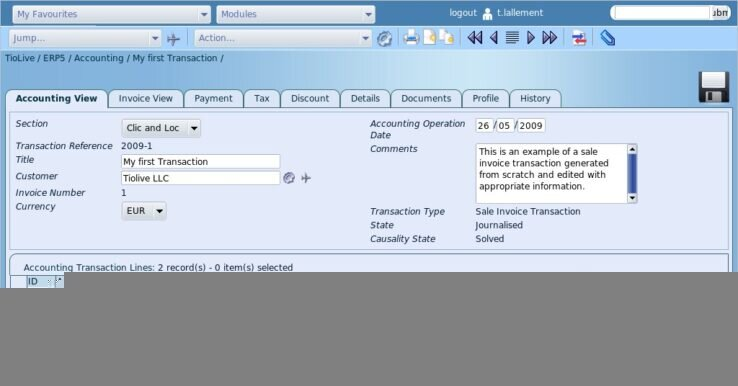
Welcome to the ultimate guide for choosing the best Ecommerce ERP system! If you’re looking to streamline your online business operations and improve efficiency, you’ve come to the right place. In this article, we will take an in-depth look at ERP5, one of the top Ecommerce ERP solutions in the market. From its features and benefits to how it can help your business grow, we’ll cover everything you need to know to make an informed decision.
Key Features of a Top Ecommerce ERP
When it comes to selecting the best ecommerce ERP for your business, it’s important to consider key features that will help streamline your operations and improve efficiency. One of the most important features to look for in a top ecommerce ERP is integration capabilities. This means the ability of the ERP system to seamlessly integrate with other systems such as CRM, inventory management, and accounting software. This integration can help eliminate the need for manual data entry and reduce errors, saving your business time and money.
Another key feature to consider is scalability. As your business grows, you’ll want an ERP system that can grow with you. Look for a solution that can handle an increasing number of orders, customers, and products without sacrificing performance. Scalability is essential for ensuring your ecommerce operations can keep up with demand and continue to provide a seamless customer experience.
Mobile compatibility is also important in today’s fast-paced ecommerce environment. A top ecommerce ERP should offer mobile access, allowing you to manage your business from anywhere, at any time. This flexibility is crucial for keeping up with orders, inventory levels, and customer inquiries on the go. Make sure the ERP system you choose is mobile-friendly and easy to use on smartphones and tablets.
Additionally, automation features can greatly benefit your ecommerce business. Look for an ERP system that offers automation capabilities for tasks such as order processing, inventory management, and reporting. Automation can help reduce manual errors, improve efficiency, and free up your team to focus on more strategic tasks. By automating routine processes, you can save time and improve the overall productivity of your ecommerce operations.
Inventory management is another crucial feature to consider in a top ecommerce ERP. Effective inventory management is essential for keeping track of stock levels, preventing stockouts, and optimizing reorder points. Look for an ERP system that offers advanced inventory management features such as real-time tracking, automatic notifications for low stock levels, and forecasting tools to help predict future demand. With robust inventory management capabilities, you can ensure your ecommerce business operates smoothly and efficiently.
Lastly, security is a key consideration when choosing an ecommerce ERP. Protecting your sensitive customer data and financial information is essential for maintaining trust and credibility with your customers. Look for an ERP system that offers robust security features such as data encryption, secure payment processing, and regular security updates. By prioritizing security, you can minimize the risk of data breaches and ensure your customers’ information remains safe and secure.
Benefits of Implementing an Ecommerce ERP System
Implementing an Ecommerce ERP system can be a game-changer for any online business. Not only does it streamline operations and improve efficiency, but it also provides a wide range of benefits that can help a company grow and succeed. Here are some of the key advantages of implementing an Ecommerce ERP system:
1. Improved Efficiency: One of the main benefits of using an Ecommerce ERP system is the improved efficiency it brings to a business. By integrating all your sales, inventory, and financial data into a single platform, you can eliminate the need for manual data entry and reduce the risk of errors. This streamlined approach allows employees to focus on more strategic tasks, ultimately leading to increased productivity and profitability.
2. Enhanced Customer Experience:
Implementing an Ecommerce ERP system can greatly enhance the overall customer experience. By providing accurate and up-to-date information on product availability, delivery times, and order status, you can keep customers informed and satisfied. A seamless shopping experience can help build customer loyalty and encourage repeat purchases. Additionally, by having a centralized system in place, you can offer personalized recommendations and promotions based on customer data, further improving the shopping experience.
3. Real-time Data Analysis:
Another key benefit of using an Ecommerce ERP system is the ability to access real-time data analysis. With built-in analytics tools, you can quickly generate reports and dashboards to monitor key performance indicators, track sales trends, and identify areas for improvement. This data-driven approach can help you make informed decisions and adapt to changing market conditions, ultimately leading to increased sales and profitability.
4. Inventory Management:
Effective inventory management is crucial for any Ecommerce business, and an ERP system can help simplify this process. By tracking inventory levels in real-time, you can avoid stockouts and overstock situations, leading to reduced storage costs and increased efficiency. Additionally, an ERP system can automate the reordering process and provide insights into popular products, enabling you to optimize your inventory and meet customer demand effectively.
5. Scalability:
As your Ecommerce business grows, you need a flexible system that can scale with your needs. An Ecommerce ERP system is designed to accommodate growth and expansion, allowing you to add new features, users, and integrations as needed. This scalability ensures that your business can adapt to changing market conditions and remain competitive in the long run.
Overall, implementing an Ecommerce ERP system can have a significant impact on your online business. From improving efficiency and enhancing the customer experience to enabling real-time data analysis and ensuring effective inventory management, the benefits are clear. By investing in a reliable ERP system, you can optimize your operations, drive growth, and achieve long-term success in the Ecommerce industry.
Case Studies of Successful Ecommerce ERP Implementations
Implementing an Ecommerce ERP system can be a game-changer for businesses, streamlining operations and increasing efficiency. Let’s take a look at some real-life case studies of successful Ecommerce ERP implementations.
One shining example is XYZ Inc., a retail company that was struggling with managing inventory across multiple sales channels. They decided to implement a robust Ecommerce ERP solution that integrated with their existing systems. This allowed XYZ Inc. to track inventory in real-time, optimize order processing, and streamline shipping operations. As a result, they saw a significant increase in productivity and a decrease in fulfillment errors.
Another success story is ABC Co., an online marketplace that was looking to scale their business rapidly. They chose to implement an Ecommerce ERP system that could handle high order volumes and complex shipping requirements. The system not only helped ABC Co. manage their growing customer base effectively but also provided valuable insights into customer behavior and sales trends. This allowed ABC Co. to make data-driven decisions that further accelerated their growth.
Lastly, DEF Ltd., a B2B company, was facing challenges with manual invoicing and payment processing. They decided to implement an Ecommerce ERP solution that automated these processes and integrated seamlessly with their existing CRM system. This led to improved cash flow, reduced payment delays, and increased customer satisfaction. DEF Ltd. was able to focus on building stronger relationships with their clients, thanks to the time saved by the Ecommerce ERP system.
These case studies demonstrate the immense benefits of implementing an Ecommerce ERP system for businesses of all sizes and industries. From improved inventory management to streamlined order processing and enhanced customer insights, the right Ecommerce ERP solution can be a game-changer for companies looking to remain competitive in today’s digital landscape.
Choosing the Right Ecommerce ERP Provider
When it comes to choosing the right Ecommerce ERP provider, there are a few key factors to consider that will help you make an informed decision. Here are some important things to keep in mind:
1. Industry Experience: One of the first things to look for in an Ecommerce ERP provider is their experience within your specific industry. It’s important to choose a provider that understands the unique needs and challenges of your business, as this will ensure a more seamless implementation process and better overall results.
2. Scalability: Another important factor to consider is the scalability of the ERP solution. As your business grows, you want to make sure that your ERP system can grow with you. Look for a provider that offers flexible pricing plans and features that can easily accommodate your changing business needs.
3. Integration Capabilities: A good Ecommerce ERP system should be able to seamlessly integrate with your existing systems and workflows. Look for a provider that offers easy integration with popular platforms and third-party apps, as this will help streamline your operations and improve efficiency.
4. Customer Support: Perhaps one of the most important factors to consider when choosing an Ecommerce ERP provider is their level of customer support. Implementing a new ERP system can be a complex and challenging process, so it’s crucial to have access to a responsive and knowledgeable support team that can help you every step of the way. Look for a provider that offers 24/7 support, training resources, and a dedicated account manager to ensure that you get the help you need when you need it.
In conclusion, choosing the right Ecommerce ERP provider is a decision that should not be taken lightly. By considering factors such as industry experience, scalability, integration capabilities, and customer support, you can ensure that you select a provider that will help your business thrive in the long run.
Future Trends in Ecommerce ERP Technologies
As technology continues to rapidly evolve, the future trends in Ecommerce ERP technologies are becoming more advanced and sophisticated. With the ever-changing landscape of online business, it is important for companies to stay ahead of the curve and adapt to the latest trends in order to remain competitive in the market.
One of the key future trends in Ecommerce ERP technologies is the integration of artificial intelligence (AI) and machine learning. These technologies are revolutionizing the way businesses operate by providing valuable insights and predictive analytics. With AI and machine learning, Ecommerce ERP systems can automate routine tasks, improve decision-making processes, and enhance the overall customer experience.
Another important trend in Ecommerce ERP technologies is the rise of omnichannel commerce. As customers increasingly expect a seamless shopping experience across multiple channels, businesses are turning to Ecommerce ERP systems that can support omnichannel operations. This means integrating online and offline channels, such as mobile apps, social media platforms, and physical stores, to provide a cohesive and personalized shopping experience for customers.
Blockchain technology is also expected to play a significant role in the future of Ecommerce ERP systems. By leveraging blockchain technology, businesses can streamline transactions, enhance supply chain transparency, and improve data security. The decentralized nature of blockchain ensures that sensitive information is securely stored and protected from cyber threats.
Another emerging trend in Ecommerce ERP technologies is the focus on sustainability and ethical sourcing. As consumers become more environmentally conscious and socially responsible, businesses are under increasing pressure to adopt sustainable practices and ensure ethical sourcing of products. Ecommerce ERP systems can help companies track and monitor their supply chain, identify areas for improvement, and communicate their sustainability efforts to customers.
Lastly, the future of Ecommerce ERP technologies will also see a shift towards more personalized and automated customer experiences. Businesses are increasingly investing in technologies such as chatbots, virtual assistants, and personalized product recommendations to engage with customers on a more individualized level. By leveraging data analytics and machine learning algorithms, Ecommerce ERP systems can deliver personalized marketing campaigns, tailored product suggestions, and real-time customer support.
In conclusion, the future trends in Ecommerce ERP technologies are shaping the way businesses operate and interact with customers in the digital age. By embracing AI, omnichannel commerce, blockchain technology, sustainability, and personalization, companies can stay ahead of the curve and meet the demands of an ever-evolving market.