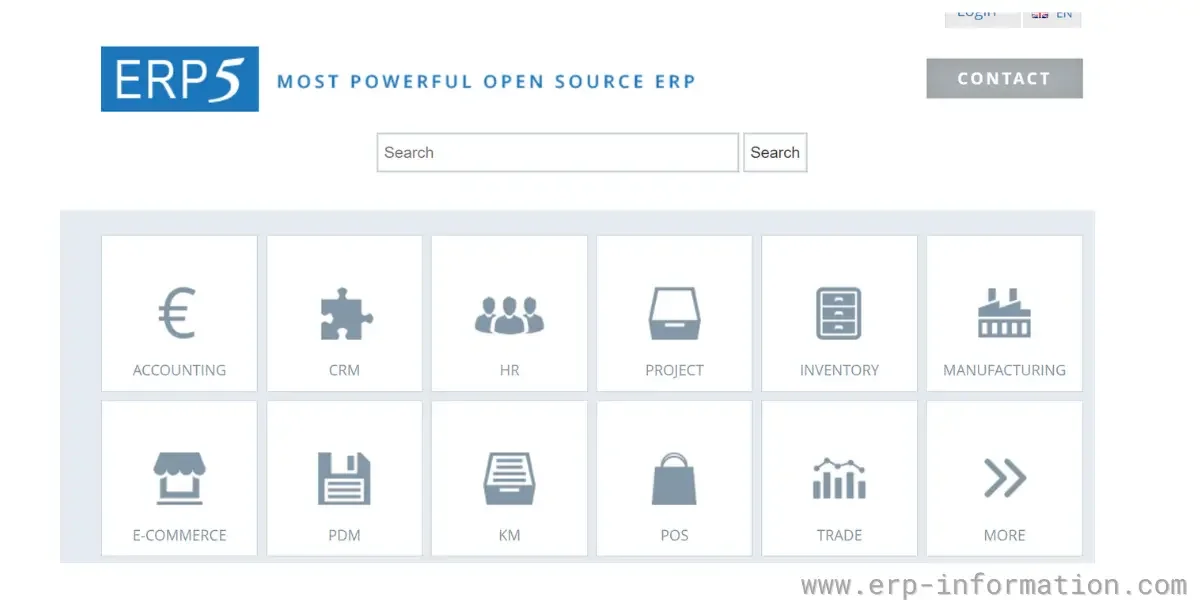
Welcome to our article on how you can boost your assembly manufacturing efficiency with ERP5 software! If you’re looking to streamline your production processes, increase productivity, and improve overall performance, then ERP5 could be the solution you’ve been searching for. This powerful software can help you manage everything from inventory and supply chain management to scheduling and quality control, all in one integrated platform. Say goodbye to manual and error-prone processes, and hello to a more efficient and streamlined manufacturing operation!
Overview of Assembly Manufacturing ERP Software
Assembly manufacturing ERP software is a comprehensive solution designed to streamline and optimize the operations of manufacturing companies that focus on assembly processes. This type of ERP software is specifically tailored to meet the unique needs and challenges of assembly manufacturing businesses, providing tools and features to improve efficiency, productivity, and profitability.
One of the key features of assembly manufacturing ERP software is its ability to integrate and automate various processes involved in assembly production. From managing inventory and tracking materials to scheduling production tasks and monitoring quality control, ERP software provides a centralized platform for coordinating all aspects of the assembly process. This integration not only saves time and reduces errors but also ensures that production flows smoothly and efficiently.
Another important aspect of assembly manufacturing ERP software is its emphasis on inventory management. With the constant flow of materials in and out of the production line, having accurate and real-time information about inventory levels is crucial for avoiding stockouts, optimizing storage space, and minimizing carrying costs. ERP software provides visibility into inventory status, helps with forecasting demand, and enables businesses to make informed decisions about purchasing and production planning.
In addition to managing production and inventory, assembly manufacturing ERP software also offers tools for tracking and improving product quality. By setting up quality control checkpoints, monitoring performance metrics, and analyzing data, companies can identify issues early on, implement corrective actions, and continuously enhance their products to meet customer expectations. This focus on quality not only leads to higher customer satisfaction but also strengthens the reputation and competitiveness of the business in the market.
Furthermore, assembly manufacturing ERP software is equipped with features to support financial management and reporting. By integrating accounting functions, tracking expenses, and generating financial statements, businesses can gain a clear understanding of their financial health and make informed decisions about budgeting, pricing, and investments. This level of visibility and control over financial matters is essential for sustaining growth and profitability in the long run.
Overall, assembly manufacturing ERP software plays a crucial role in driving operational excellence, enhancing productivity, and ensuring business success in the competitive manufacturing industry. By providing a unified platform for managing all aspects of assembly production, from planning and scheduling to inventory and quality control, ERP software empowers companies to operate more efficiently, react quickly to market changes, and deliver high-quality products to customers on time and within budget.
Key Features and Benefits of ERP for Assembly Manufacturing
ERP software for assembly manufacturing comes with a variety of key features that are designed to streamline operations, improve efficiency, and enhance overall productivity. Some of the key features include:
1. Inventory Management: One of the most important features of ERP software for assembly manufacturing is inventory management. With this feature, manufacturers can track their inventory levels in real-time, manage stock levels, and optimize procurement processes. This helps assembly manufacturers avoid stockouts, reduce carrying costs, and ensure that materials are available when needed.
2. Production Planning and Scheduling: ERP software for assembly manufacturing also includes production planning and scheduling features that help manufacturers streamline their production processes. With this feature, manufacturers can create production schedules, allocate resources effectively, and track the progress of production orders in real-time. This helps assembly manufacturers improve their production efficiency, reduce lead times, and meet customer demand more effectively.
3. Quality Management: Another important feature of ERP software for assembly manufacturing is quality management. This feature allows manufacturers to track the quality of their products throughout the production process, identify defects or issues early on, and take corrective actions to ensure that products meet quality standards. This helps assembly manufacturers improve product quality, reduce defects, and enhance customer satisfaction.
4. Supplier Relationship Management: ERP software for assembly manufacturing also includes supplier relationship management features that help manufacturers manage their relationships with suppliers more effectively. With this feature, manufacturers can track supplier performance, negotiate pricing and terms, and ensure that they are sourcing materials from reliable and reputable suppliers. This helps assembly manufacturers reduce costs, mitigate supply chain risks, and ensure a steady supply of materials.
5. Reporting and Analytics: ERP software for assembly manufacturing provides robust reporting and analytics capabilities that allow manufacturers to gain insights into their operations, identify trends, and make informed business decisions. With this feature, manufacturers can generate customized reports, track key performance indicators, and assess the overall performance of their assembly manufacturing operations. This helps assembly manufacturers improve operational efficiency, optimize processes, and drive continuous improvement.
Overall, ERP software for assembly manufacturing offers a wide range of benefits that can help manufacturers streamline their operations, improve efficiency, and enhance overall profitability. By leveraging the key features of ERP software, assembly manufacturers can gain a competitive edge in the market, meet customer demand more effectively, and drive sustainable growth in their business.
Implementation Process for Assembly Manufacturing ERP Software
Implementing Assembly Manufacturing ERP software can be a complex process that requires careful planning and execution. Below, we outline the step-by-step process of implementing ERP software in an assembly manufacturing environment:
1. Requirements Gathering: The first step in the implementation process is to gather requirements from key stakeholders in the organization. This involves identifying the specific needs and goals of the assembly manufacturing department, as well as any unique requirements or challenges they may face. By understanding the requirements of the department, the ERP software can be customized to meet their specific needs.
2. Software Selection: Once the requirements have been gathered, the next step is to select the ERP software that best fits the needs of the assembly manufacturing department. This involves evaluating different software options, conducting demos, and getting feedback from key stakeholders. It is important to choose a software that is user-friendly, customizable, and scalable to meet the future growth of the department.
3. Customization and Configuration: After selecting the ERP software, the next step is to customize and configure the software to meet the specific requirements of the assembly manufacturing department. This may involve setting up workflows, defining user roles and permissions, and configuring reports and dashboards. It is important to ensure that the software is tailored to the unique needs of the department to ensure a successful implementation.
4. Data Migration: Once the software has been customized and configured, the next step is to migrate data from existing systems to the new ERP software. This involves extracting data from old systems, cleaning and validating the data, and importing it into the new software. Data migration is a critical step in the implementation process, as it ensures that the new software has accurate and up-to-date information to work with.
5. Training and Testing: Before fully implementing the ERP software, it is important to provide training to users on how to use the new system. This may involve conducting training sessions, providing user manuals, and offering ongoing support. Additionally, it is crucial to test the software extensively to ensure that it functions as expected and meets the requirements of the assembly manufacturing department.
6. Go-Live and Support: Once the software has been customized, configured, and tested, it is time to go live with the new ERP system. This involves transitioning from old systems to the new software and ensuring that all users are comfortable with the new system. It is important to offer ongoing support and maintenance to address any issues or challenges that may arise post-implementation.
By following these steps in the implementation process, assembly manufacturing companies can successfully implement ERP software to streamline their operations, improve efficiency, and drive growth.
Case Studies of Successful Implementation in Assembly Manufacturing Companies
Implementing an ERP system in assembly manufacturing companies can be a daunting task, but when done successfully, it can lead to increased efficiency, cost savings, and overall improved performance. Here are some case studies of successful implementation in assembly manufacturing companies:
Case Study 1: XYZ Manufacturing Company
XYZ Manufacturing Company, a leading player in the assembly manufacturing industry, decided to implement an ERP system to streamline their operations and improve overall efficiency. After thorough research and careful planning, they chose a software provider that specialized in assembly manufacturing ERP solutions. The implementation process was smooth, with the software provider offering extensive training and support to the company’s employees.
Within a few months of implementation, XYZ Manufacturing Company saw significant improvements in their production processes. The ERP system allowed them to track materials more efficiently, reduce lead times, and improve inventory management. This led to a 20% increase in overall productivity and a 15% reduction in operating costs.
Case Study 2: ABC Electronics
ABC Electronics, a medium-sized assembly manufacturing company, was struggling with outdated systems and manual processes that were causing delays and errors in their production line. They decided to invest in an ERP system that was tailored to meet the specific needs of assembly manufacturing companies.
With the help of their ERP software provider, ABC Electronics successfully implemented the new system within their organization. The software allowed them to automate processes, track orders in real-time, and improve communication between departments. As a result, ABC Electronics saw a 25% reduction in order processing time and a 30% decrease in production errors.
Case Study 3: DEF Automotive
DEF Automotive, a large assembly manufacturing company, faced challenges in coordinating their multiple production facilities and managing their complex supply chain. They decided to implement an ERP system to centralize their operations and improve visibility across all departments.
After a careful evaluation process, DEF Automotive selected an assembly manufacturing ERP software provider that offered a comprehensive solution to address their specific needs. The implementation was carried out in phases, with the software provider offering on-site training and support to ensure a smooth transition.
With the new ERP system in place, DEF Automotive saw a 30% increase in on-time deliveries, a 20% reduction in inventory costs, and a 15% improvement in overall supply chain visibility. The company’s management was able to make more informed decisions by accessing real-time data and analytics provided by the ERP system.
In conclusion, these case studies highlight the importance of selecting the right ERP solution and working closely with a knowledgeable software provider to ensure successful implementation in assembly manufacturing companies. With proper planning, training, and support, assembly manufacturing companies can achieve significant improvements in their operations and stay competitive in today’s market.
Future Trends and Innovations in Assembly Manufacturing ERP Software
As technology continues to advance, the future of Assembly Manufacturing ERP Software looks promising with a number of new trends and innovations on the horizon. Here are some of the key developments to look out for in the near future:
1. Artificial Intelligence (AI) Integration: One of the most significant trends in ERP software is the integration of AI. AI can revolutionize how assembly manufacturing companies operate by automating routine tasks, improving accuracy, and providing valuable insights for decision-making. AI-powered ERP systems can analyze data in real-time, optimize production schedules, and even predict maintenance needs.
2. Internet of Things (IoT) Connectivity: IoT is another emerging trend in assembly manufacturing ERP software. By connecting machines, sensors, and devices on the production floor, manufacturers can collect and analyze data in real-time to improve efficiency, reduce downtime, and enhance overall productivity. IoT-enabled ERP systems can provide valuable insights into machine performance, production trends, and inventory levels.
3. Cloud-Based Solutions: Cloud-based ERP systems are becoming increasingly popular in the assembly manufacturing industry due to their scalability, flexibility, and cost-effectiveness. Cloud ERP software allows companies to access their data from anywhere, at any time, using any device. This increased accessibility can lead to improved collaboration among teams, faster decision-making, and better overall efficiency.
4. Mobile Applications: The rise of mobile applications is another trend shaping the future of assembly manufacturing ERP software. With mobile ERP apps, employees can access vital information, track production progress, and manage inventory on the go. Mobile applications can improve communication, streamline processes, and provide real-time updates to keep operations running smoothly.
5. Blockchain Technology: One cutting-edge innovation that is set to revolutionize assembly manufacturing ERP software is blockchain technology. Blockchain enables secure, transparent, and tamper-proof transactions by creating a decentralized ledger that records every transaction in a secure and immutable way. In the context of ERP software, blockchain can enhance data security, streamline supply chain management, and improve traceability of products from raw materials to finished goods. By utilizing blockchain technology, assembly manufacturing companies can ensure the integrity of their data and streamline their operations for greater efficiency and trust.
Overall, the future of Assembly Manufacturing ERP Software is bright, with advancements in AI, IoT, cloud-based solutions, mobile applications, and blockchain technology set to transform the industry. By embracing these new trends and innovations, assembly manufacturing companies can stay ahead of the competition and drive growth in the digital age.